Review: Unity Textbook 6th Edition
Unity Textbook 6th Edition - A differentiated beginner's book that emphasizes game development workflow
Unity Textbook 6th Edition
Searching for books with “Unity” in domestic online bookstores returns over 100 titles. That’s how many Unity-related books exist, and most of them are introductory texts.
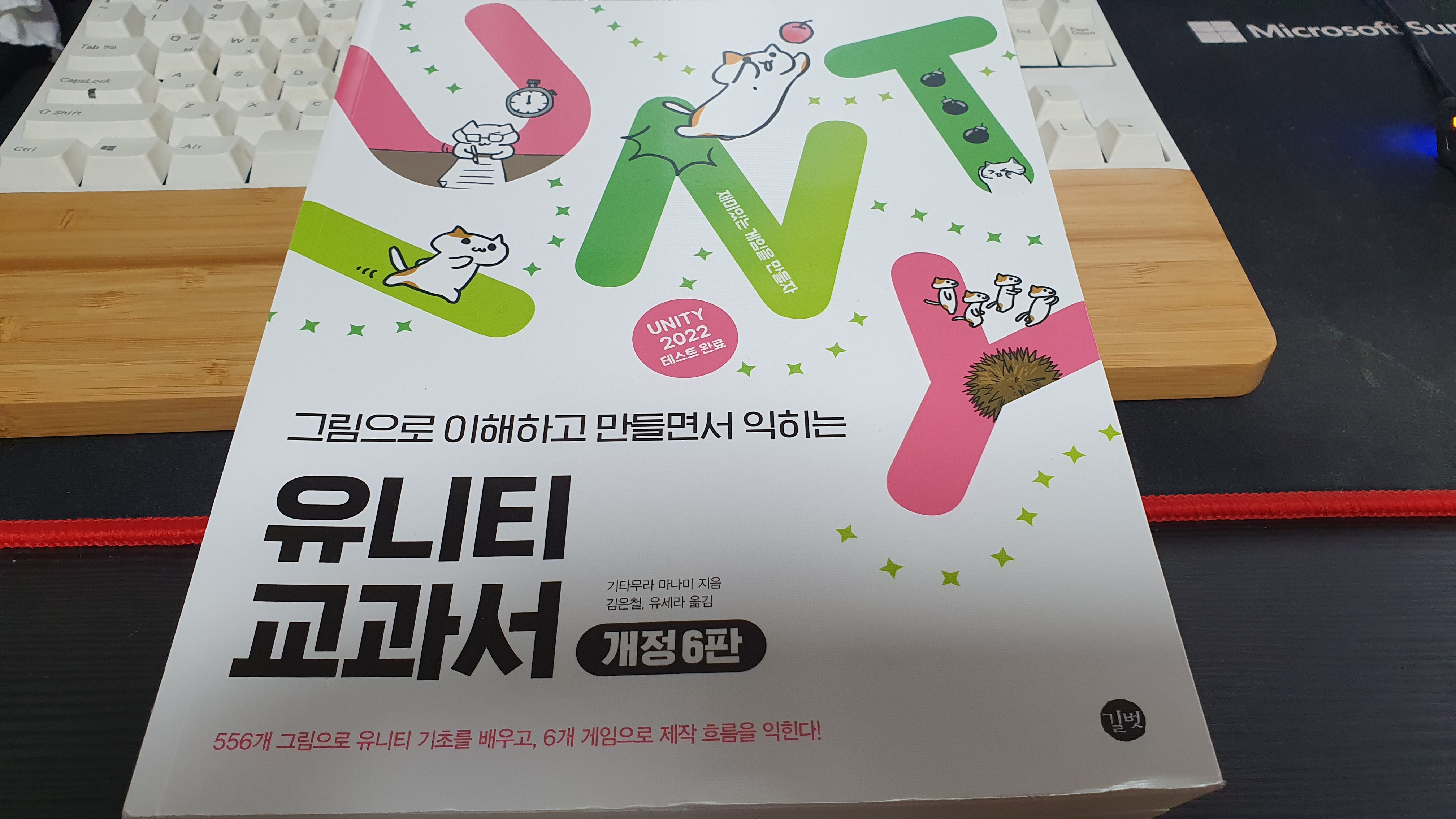 |
|---|
| Cute cat illustrations make for a more casual starting experience. |
Cute cat illustrations make for a more casual starting experience.
Among these, the only book that has reached its 6th revised edition is Unity Textbook: Understand with Pictures and Learn by Making. Since the first edition was introduced in Korea in 2017, the fact that it has been consistently revised for each Unity version demonstrates this book’s staying power.
 |
|---|
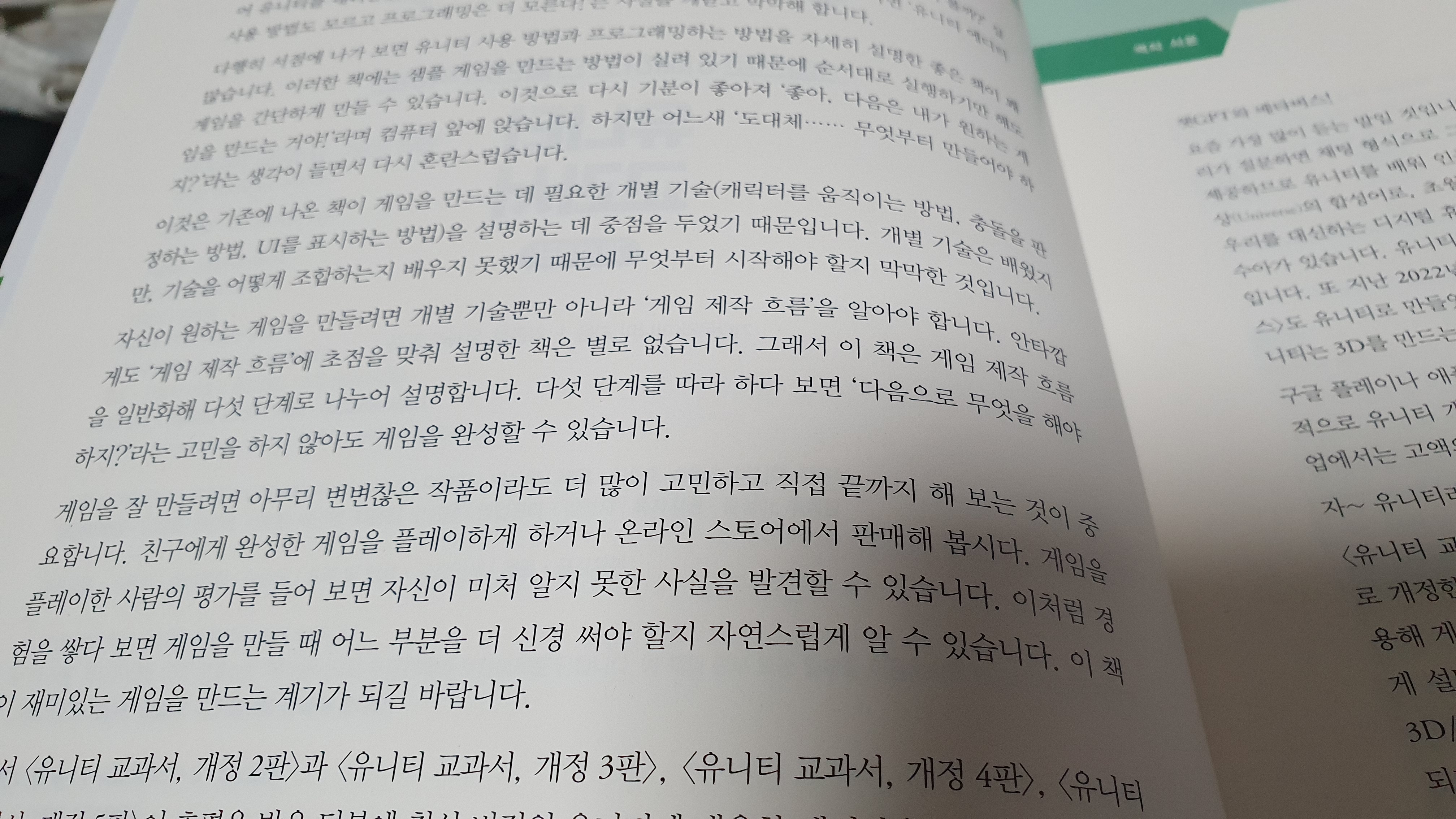
| From the author’s note. |
From the author’s note.
In the author’s preface, they emphasize “game production workflow.” From beginning to end, this book prioritizes game production workflow while building examples. Whether creating something simple or complex, it constantly reminds readers to think about the production process. What we experience isn’t simply learning coding or tools—we’re making games, and regardless of what game we’re building, we learn how to approach production by establishing a workflow. This is the book’s biggest differentiator. While other books focus on tools or programming, this book’s goal is making games, explaining the optimal route to achieve that. Isn’t this the book that best fulfills the purpose of making games? That’s my thought.
 |
|---|
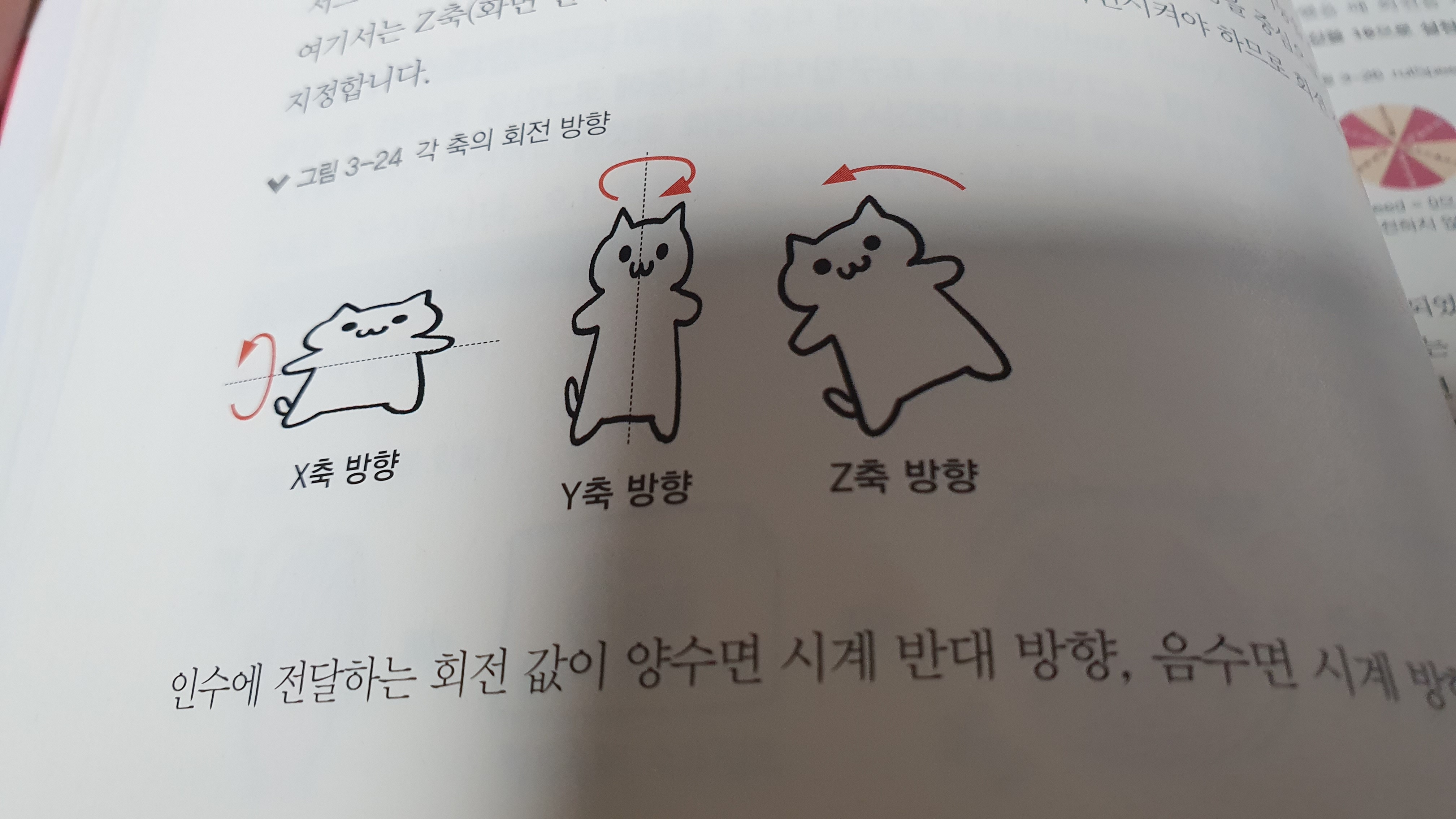
| Cute cats everywhere. |
Cute cats everywhere.
The book’s content is written with numerous carefully captured screenshots and guides that make it easy to follow visually. Sections needing more explanation include hand-drawn illustrations for intuitive understanding, which provide refreshing breaks where things might get tedious. When I read on the back cover that it “explains with 556 illustrations,” I didn’t feel much, but after reading the book, this becomes clearly apparent as a strength. How delightful to have cute cats accompanying you throughout the book.
 |
|---|
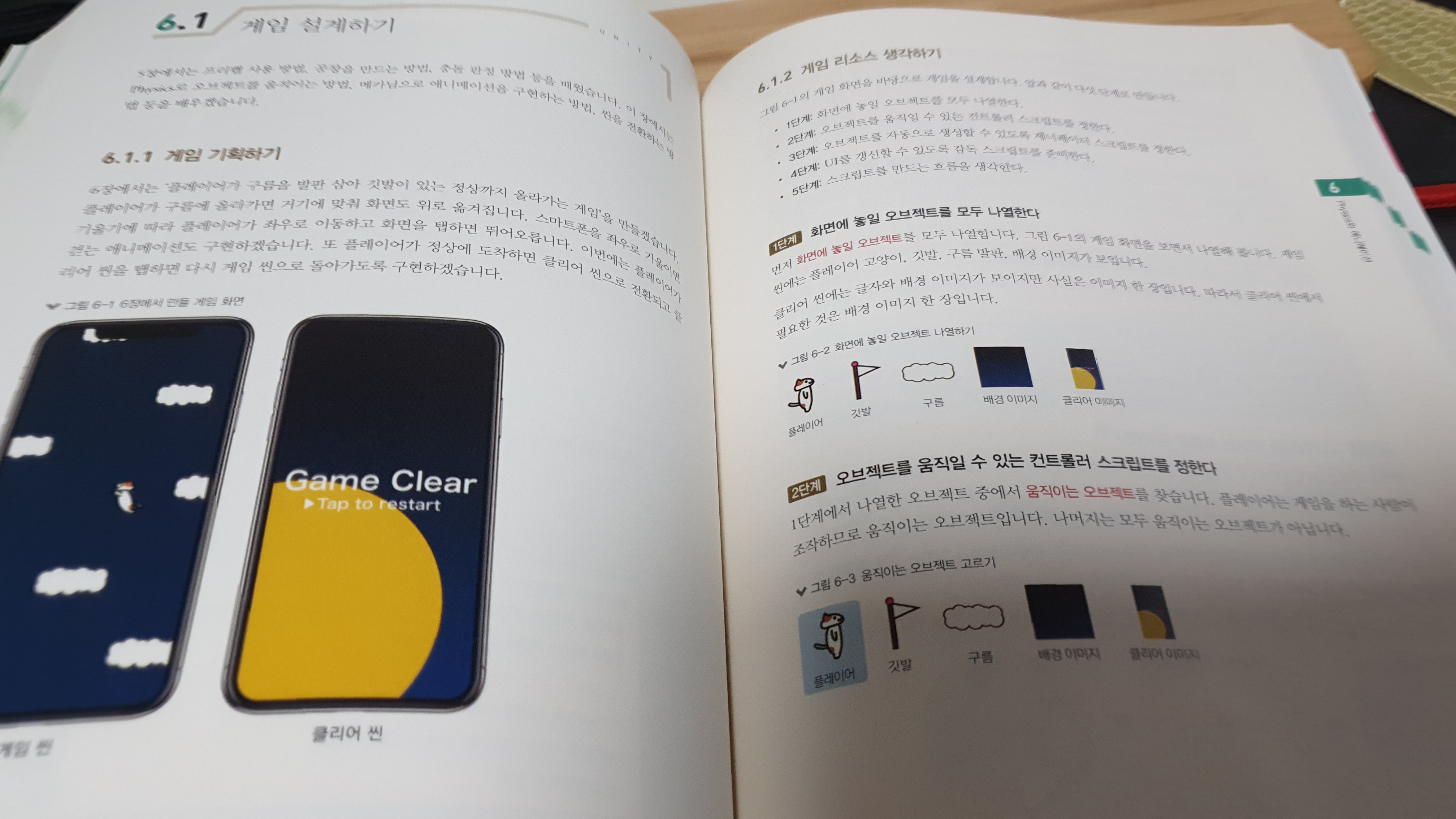
| Game development starting from design. |
Game development starting from design.
The biggest difference from other books is that it unfolds in actual game production order. The first chapter of each part starts with game design. Only after considering game planning, resources, and objects do we start thinking about code. Rather than simply “let’s make a game,” readers learn how to actually produce games by thinking through the actual production sequence. This confirms that the book targets game development itself, not getting buried in the “development” keyword. This makes it even better and more differentiated.
 |
|---|
| Breaking down the development process step by step. |
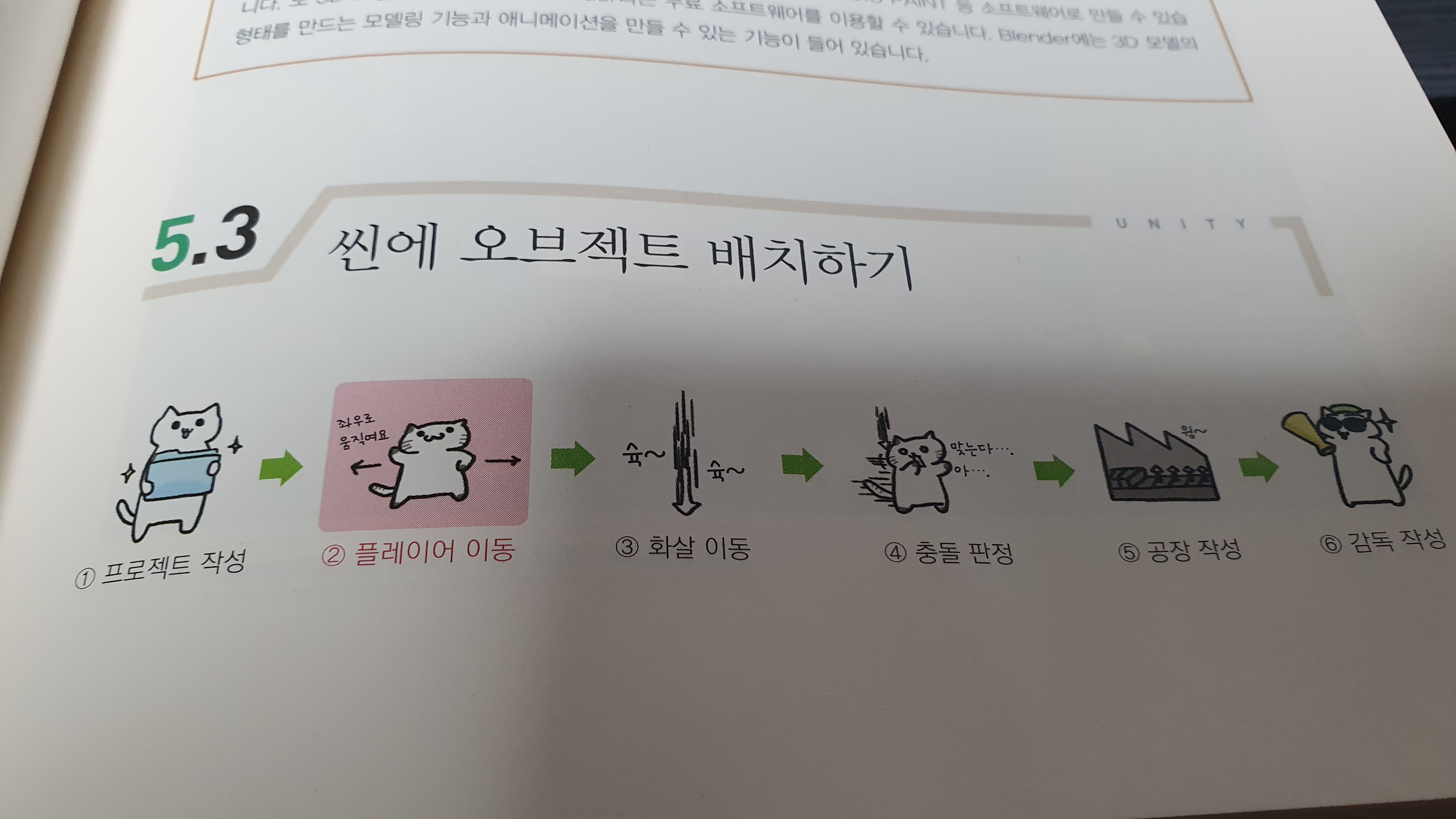
Breaking down the development process step by step.
That said, this is still a book about Unity development. Once the previous processes are complete, it starts discussing development. What order to approach development in. How to break down tasks. How to improve through code refinement and bug fixing. Particularly, the approach of completing simple behaviors one at a time, then gradually modifying toward the goal until achieving the desired code is valuable. I’ve often seen beginners get buried trying to make everything at once, so introducing this helpful approach itself is great. Breaking down what can seem like massive development layers into manageable pieces allows readers to stay engaged and progress steadily without falling behind.
 |
|---|
| And always building. |
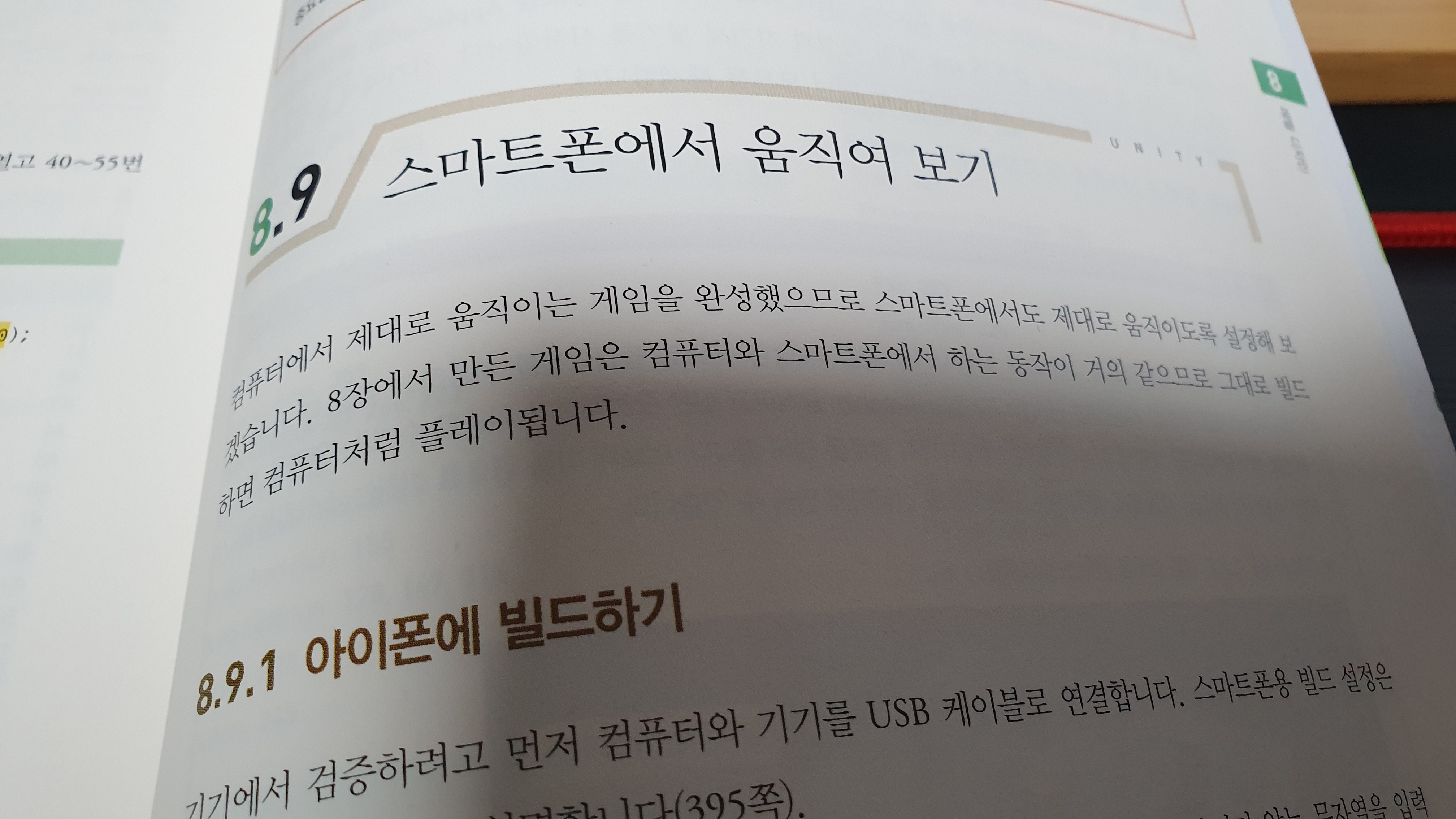
And always building.
At many game jams, I’ve often heard “there’s a problem with mobile builds.” Input and resolution considerations that work in the editor environment often don’t work or produce unexpected results in mobile builds. But this book covers mobile builds at the end of every chapter, explaining step-by-step any mobile adaptations needed in previously written code. Seeing your work actually running on a phone provides as much motivation to beginner developers as any carrot could, encouraging continued development.
 |
|---|
| Level design. |
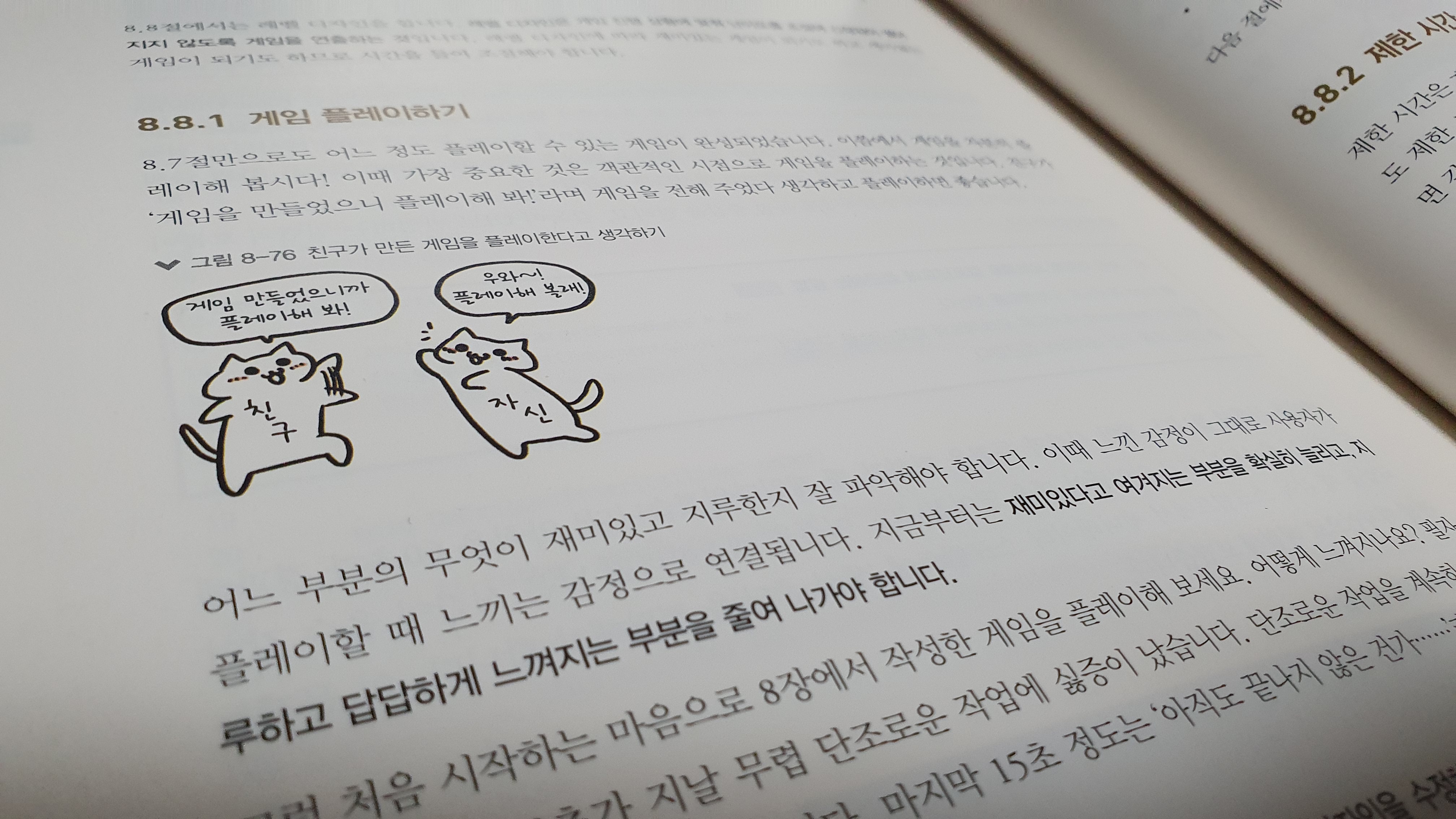
Level design.
Typically, development books provide increasingly difficult challenges, with the final task being the most technically challenging. But this book’s final chapter is “Level Design.” After progressively increasing technical difficulty through prefabs, physics, 2D, and 3D, the final chapter suddenly discusses level design. Of course, this chapter does encompass all the skills learned in previous chapters. But the author views “level design” as the most difficult skill, treating previous skills as tools for this purpose. Unity’s greatest advantages include rapid scene modifications and an extremely fast planning→art→programming cycle. By treating “level design” as the most important skill for achieving games’ purpose of fun, the book discusses making games genuinely game-like. As I keep saying, that’s why it’s good. Not buried in development, but discussing game development. That’s the story this book tells.