Review: Try Again High School Math
Try Again High School Math - Rediscovering high school mathematics for programmers
While I currently make my living as a developer, I was originally a liberal arts student who struggled with math in high school. Thanks to that background, I suffered through engineering mathematics, calculus, and linear algebra in college.
That’s why I’ve always carried a sense of debt toward mathematics, especially high school level math.
Try Again High School Math has a provocative title that stimulates this sense of debt. Plus, the subtitle “Programmers, awaken your mathematical brain!” directly targets developers.
First, the book reorganizes high school math not by learning order but by field, explaining each area step by step.
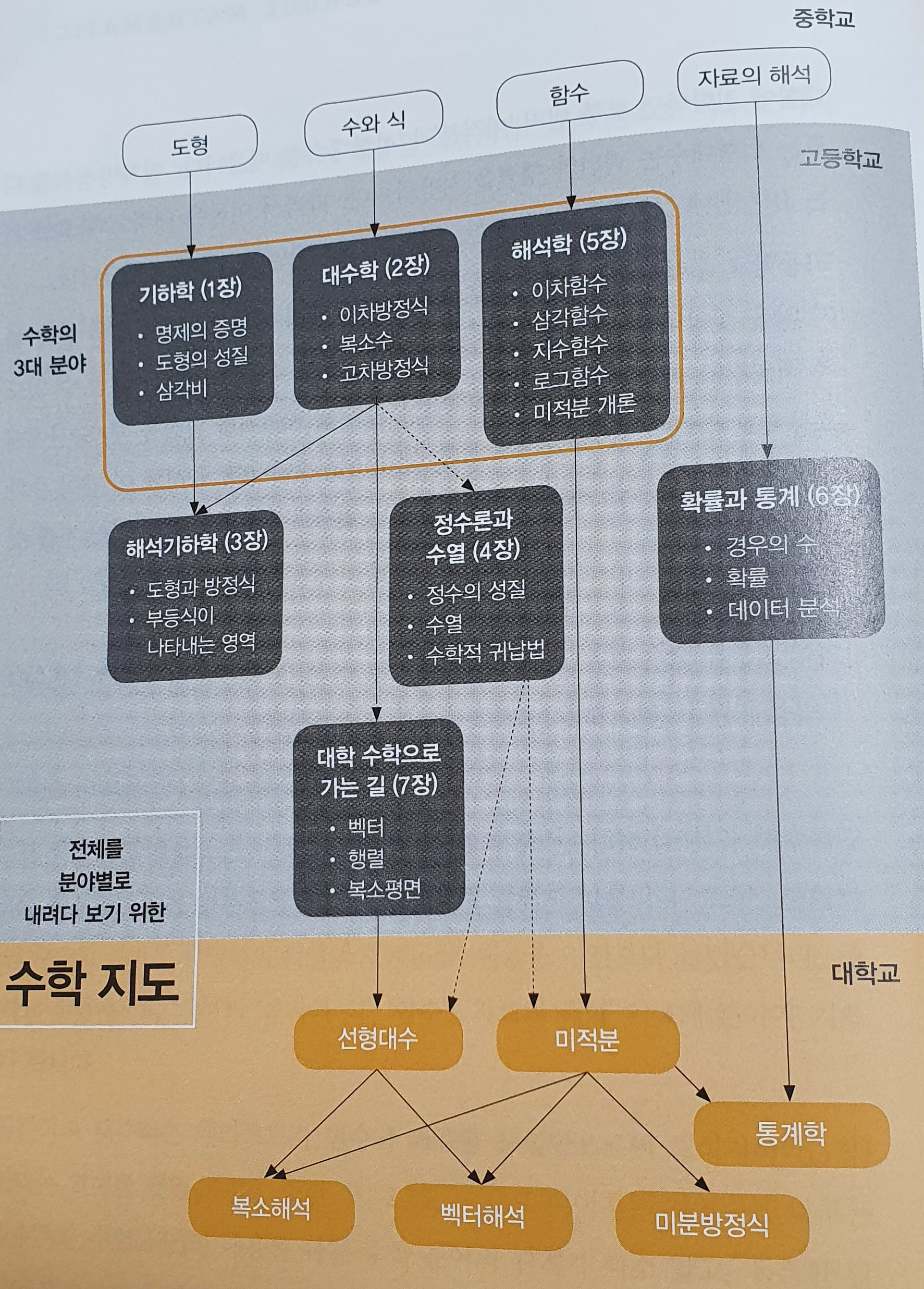 |
At the start of each part, it includes what the author calls columns - stories about the history and anecdotes of that category to build interest before diving in.
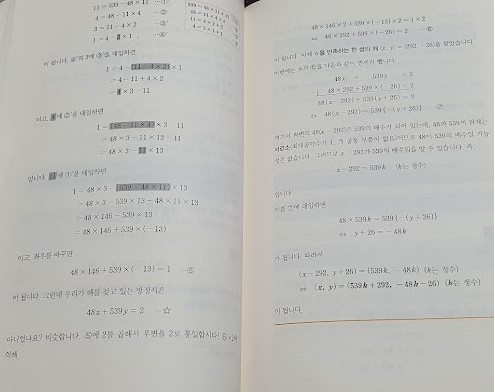 |
Then it discusses simple concepts one by one, presents propositions, and derives formulas step-by-step with kind explanations and interpretations at each step. Unlike high school where we started with problem-solving, this approaches from where, why, and how things came to be. When needed, it also mentions meaningful related concepts outside the curriculum to help expand understanding and thinking.
From my experience as someone who struggled with math, math classes were difficult when I lacked understanding of previous parts. But this book approaches each part slowly from the ground up. So even if understanding of previous content was low, I could newly examine that part. This seems especially helpful when selectively reading only needed parts later.
But it’s not without drawbacks. Since it only briefly covers concepts for each part without a mastery process, there are issues with actual acquisition. However, the book’s aim is mainly to review high school math and revive those memories. That’s why it also included advice on what books to read and how to study for important parts.
Personally, the most interesting parts were the author’s various knowledge. Why, how, and through what methods the discipline became known and revealed to the world, explaining these events in episode-based entertaining ways. These elements showed how sincere the author is about mathematics, and my concentration increased while reading.
Not stopping there, as written in the subtitle, it goes beyond areas applied to programmers to include general application cases, showing where and how these mathematics are actually used.
After finishing the book, the mathematical knowledge that was covered like fog in my head became a bit clearer, and parts that appeared as dots reconnected as lines, showing what more I could do and what I should study in depth.
Having this reminder opportunity, I feel good being able to bounce back with mathematical thinking I had in the past.